
manual para examen de manejo en arizona
Arizona Driver’s Manual & Exam Preparation
Navigating Arizona’s roads requires understanding its specific driving laws and procedures. Accessing the free Arizona Driver License Handbook is crucial for test preparation‚ whether online or at a library.

Understanding the Graduated Licensing Process
Arizona’s Graduated Licensing Process is thoughtfully designed to equip new drivers with essential experience and skills progressively. This system acknowledges that gaining confidence and competence behind the wheel doesn’t happen overnight‚ and it prioritizes safety for both the novice driver and other road users.
The process begins with obtaining a learner’s permit‚ allowing supervised driving practice. This initial phase emphasizes learning the fundamental rules of the road and developing basic driving techniques under the guidance of an experienced licensed driver. Successfully completing this stage is a vital stepping stone.
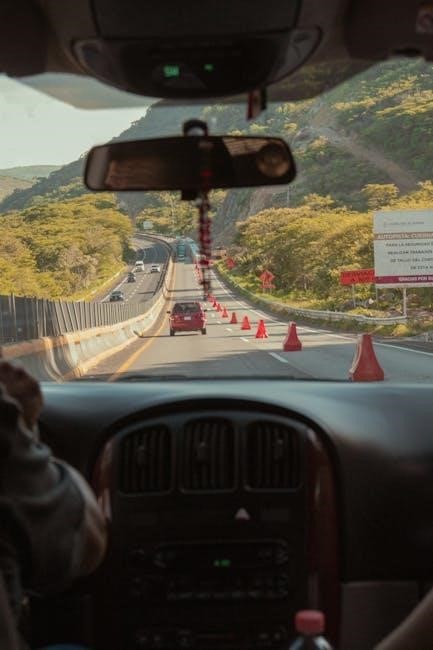
Following the permit phase‚ drivers progress to an intermediate license‚ which comes with certain restrictions designed to minimize risk. These restrictions often include limitations on nighttime driving and passenger numbers. Ultimately‚ the goal is to transition safely to a full‚ unrestricted driver’s license‚ signifying a driver’s readiness to handle the responsibilities of independent driving in Arizona.
Learner’s Permit Requirements
Securing an Arizona learner’s permit is the initial step towards driving independence. Applicants must be at least fifteen years old and successfully complete a knowledge test demonstrating understanding of Arizona traffic laws and safe driving practices. This test is based on the information contained within the Arizona Driver License Handbook‚ making thorough study essential.
Beyond the knowledge test‚ applicants must also provide acceptable documentation proving their identity‚ Social Security number‚ and Arizona residency. A vision test is also required to ensure adequate visual acuity for safe driving. All documentation must be original or certified copies; photocopies are generally not accepted.
Once the permit is issued‚ it allows supervised driving practice with a licensed driver who is at least 21 years old and occupying the passenger seat. Specific restrictions apply‚ and adherence to these rules is crucial throughout the learner’s permit phase. Careful preparation and compliance are key to progressing through the graduated licensing system.
Age Requirements for Permits & Licenses
Arizona’s graduated licensing system establishes specific age requirements for each stage of the driving process. To obtain a learner’s permit‚ applicants must be at least fifteen years old. This permit allows supervised driving practice‚ preparing novice drivers for the responsibilities of independent operation.
A restricted license‚ granting limited driving privileges‚ becomes available at sixteen years old‚ provided the applicant has held a learner’s permit for at least six months‚ completed a minimum of 30 hours of supervised driving (including 15 at night)‚ and passed the driving skills test. These requirements ensure a foundation of experience before granting more freedom.
Finally‚ a full‚ unrestricted driver’s license is available at eighteen years old. Individuals who are 16 or 17 with a restricted license automatically receive a full license upon reaching eighteen‚ without further testing‚ assuming they have maintained a clean driving record. Understanding these age-based milestones is crucial for navigating Arizona’s licensing process.
Required Documents for Application

Successfully applying for an Arizona driver’s permit or license necessitates presenting specific documentation to the Arizona Department of Transportation (ADOT). Applicants must verify their identity with a primary identification document‚ such as a certified birth certificate‚ U.S. passport‚ or Permanent Resident Card. Secondary identification may also be required.
Proof of Social Security number is mandatory‚ typically a Social Security card. Applicants must also demonstrate residency in Arizona‚ presenting two acceptable documents like utility bills‚ bank statements‚ or official school records displaying their current address. These documents must be originals or certified copies.
For those under eighteen‚ a signed parental consent form is essential. Furthermore‚ individuals transferring a license from another state must surrender their out-of-state license. A complete list of acceptable documents and specific requirements can be found on the official ADOT website‚ ensuring a smooth application process.
Arizona Driver License Handbook – Key Sections
The Arizona Driver License Handbook is a comprehensive resource‚ covering vital information for aspiring and current drivers. Key sections include a detailed explanation of the graduated licensing process‚ outlining the stages for young drivers gaining experience; It thoroughly details permit and license requirements‚ including age restrictions and necessary documentation for a successful application.
A significant portion focuses on traffic laws‚ encompassing speed limits‚ right-of-way rules‚ and safe driving practices. The handbook provides extensive coverage of traffic signs and signals‚ categorizing them into regulatory‚ warning‚ and guide signs‚ with clear explanations of their meanings.
Furthermore‚ it addresses driving in adverse weather conditions and essential vehicle equipment requirements. Understanding these sections is crucial for passing the Arizona driving test and ensuring safe operation on state roadways. The handbook is readily available online‚ offering convenient access to this essential information.
Traffic Signs and Signals
Mastering traffic signs and signals is paramount for safe driving in Arizona‚ and a core component of the driving exam. These visual cues communicate critical information‚ ensuring order and preventing accidents. The Arizona Driver License Handbook categorizes signs into three main types: regulatory‚ warning‚ and guide signs‚ each serving a distinct purpose.
Regulatory signs inform drivers of laws and regulations‚ such as speed limits‚ stop signs‚ and yield signs; Warning signs alert drivers to potential hazards ahead‚ like curves‚ intersections‚ or pedestrian crossings. Recognizing these signs allows for proactive adjustments to driving behavior.
Guide signs provide navigational assistance and information about destinations‚ routes‚ and services. Understanding the color-coding and symbols used on these signs is essential for efficient and safe travel. Familiarity with all sign types‚ alongside signal meanings‚ is vital for passing the Arizona driving test and becoming a responsible driver.
Understanding Regulatory Signs

Regulatory signs dictate what drivers must or must not do‚ enforcing traffic laws for safety and order. These signs are legally binding‚ and disregarding them can result in fines or accidents. Common examples include stop signs‚ yield signs‚ speed limit signs‚ and do-not-enter signs.
Stop signs require a complete halt before proceeding when safe. Yield signs demand drivers give way to oncoming traffic. Speed limit signs indicate the maximum legal speed for a given area. Recognizing the shape and color of these signs is crucial; most are rectangular and feature white text on a black background.
Other regulatory signs prohibit specific actions‚ like U-turns or parking. The Arizona Driver License Handbook provides detailed explanations and illustrations of all regulatory signs. Thoroughly studying these signs is essential for passing the driving exam and ensuring compliance with Arizona traffic laws‚ contributing to safer roadways for everyone.
Warning Signs and Their Meanings
Warning signs alert drivers to potential hazards ahead‚ allowing them to adjust their driving accordingly and prevent accidents. These signs are typically yellow and diamond-shaped‚ featuring symbols or text indicating the specific danger. Common warnings include curves‚ intersections‚ pedestrian crossings‚ and animal crossings.
Curve warning signs indicate a bend in the road‚ advising drivers to reduce speed. Intersection warning signs prepare drivers for crossing traffic. Pedestrian and school zone signs highlight areas with increased foot traffic‚ requiring extra caution. Animal crossing signs warn of potential wildlife encounters.
Understanding the specific meaning of each warning sign is vital for safe driving. The Arizona Driver License Handbook provides comprehensive explanations and illustrations. Recognizing these signs proactively allows drivers to anticipate potential hazards‚ react appropriately‚ and avoid collisions‚ ultimately contributing to a safer driving experience for themselves and others on Arizona’s roads.
Guide Signs – Navigation and Information
Guide signs provide crucial information to assist drivers in navigating Arizona’s roadways; These signs come in various colors and shapes‚ each serving a distinct purpose. Typically‚ they offer directional guidance‚ identify destinations‚ and provide helpful services along the route.
Interstate and U.S. route markers utilize a shield shape and color-coding to indicate highway numbers. State route markers employ different shapes and colors to identify state highways. Destination signs clearly display the names of cities‚ towns‚ and points of interest‚ along with directional arrows.
Service signs‚ often blue‚ indicate the availability of gas stations‚ restaurants‚ lodging‚ and hospitals. Familiarizing yourself with these signs is essential for efficient travel and planning. The Arizona Driver License Handbook details the various types of guide signs and their meanings. Utilizing these resources ensures drivers can confidently navigate Arizona’s extensive road network and reach their destinations safely and efficiently.
Rules of the Road in Arizona
Arizona’s rules of the road are designed to ensure the safety and order of traffic flow. Understanding these regulations is paramount for all drivers‚ especially those preparing for the state driving test. These rules cover a broad spectrum of driving behaviors‚ from basic lane usage to complex intersection procedures.

Maintaining a safe following distance is crucial‚ typically recommended as at least two seconds behind the vehicle ahead. Proper lane changing requires signaling intentions and checking blind spots. Turning procedures necessitate signaling well in advance and yielding to pedestrians and oncoming traffic.
Arizona law mandates the use of seatbelts for all occupants‚ and prohibits the use of handheld devices while driving. The Arizona Driver License Handbook provides a comprehensive overview of these rules‚ emphasizing responsible driving habits. Adhering to these regulations not only prepares you for the exam but also contributes to a safer driving environment for everyone on Arizona’s roads.
Speed Limits in Arizona
Arizona’s speed limits are carefully determined based on road type and conditions‚ prioritizing safety for all motorists. Understanding these limits is a critical component of passing the state driving test and maintaining a safe driving record. Rural highways generally have a maximum speed limit of 75 mph‚ while urban areas typically range from 35 to 45 mph.
School zones and construction zones often have significantly reduced speed limits‚ which must be strictly observed. Posted speed limits always take precedence‚ and drivers are responsible for being aware of any changes due to weather or traffic conditions. The Arizona Driver License Handbook details these limits comprehensively.

Exceeding the speed limit not only carries the risk of a traffic citation but also dramatically increases the likelihood of an accident. Responsible driving involves adhering to posted limits and adjusting speed based on prevailing conditions‚ ensuring a safe journey for yourself and others on Arizona’s roadways.
Right-of-Way Rules
Understanding right-of-way is paramount for safe driving in Arizona‚ and a key focus of the state driving exam. Generally‚ drivers must yield the right-of-way to pedestrians and vehicles already lawfully within an intersection or approaching from the right when arriving simultaneously at an uncontrolled intersection.
Turning left always requires yielding to oncoming traffic that is close enough to constitute a hazard. At four-way stops‚ the driver who arrives first has the right-of-way; if arriving simultaneously‚ the vehicle on the right proceeds first. Emergency vehicles with sirens and lights activated always have the right-of-way.
The Arizona Driver License Handbook provides detailed explanations and illustrations of right-of-way scenarios. Failing to yield the right-of-way is a common cause of accidents and a frequent error on the driving test. Prioritizing awareness and cautious observation will ensure safe navigation of Arizona’s roadways and successful exam completion.
Safe Driving Practices
Prioritizing safety while driving in Arizona is crucial‚ and the state’s driver manual emphasizes several key practices. Maintaining a safe following distance – the “three-second rule” – allows adequate reaction time. Always scan the road ahead‚ checking mirrors frequently‚ and being aware of surroundings.
Avoid distractions like cell phone use‚ eating‚ or adjusting the radio. Buckle up – seatbelt use is mandatory for all occupants. Never drive under the influence of alcohol or drugs. Be especially cautious in work zones and during inclement weather.
The Arizona Driver License Handbook stresses the importance of defensive driving techniques‚ anticipating potential hazards‚ and reacting accordingly. Practicing these habits not only prepares you for the driving test but‚ more importantly‚ contributes to a safer driving experience for yourself and others on Arizona’s roads.
Dealing with Adverse Weather Conditions
Arizona’s climate presents unique driving challenges beyond typical rainfall. Dust storms‚ or “haboobs‚” significantly reduce visibility; if encountered‚ pull over completely‚ turn off lights‚ and wait for conditions to improve. Flash floods are a serious hazard‚ especially in desert areas – never drive through flooded roadways; turn around‚ don’t drown.
During rain‚ reduce speed‚ increase following distance‚ and use headlights. Wet roads increase stopping distances. Be cautious of hydroplaning‚ where tires lose contact with the road surface. In winter‚ higher elevations may experience snow and ice‚ requiring even slower speeds and careful maneuvering.
The Arizona Driver License Handbook advises drivers to monitor weather forecasts before traveling and to adjust driving habits accordingly. Preparing for these conditions is vital for safe travel throughout the state‚ ensuring both driver and passenger safety during unpredictable weather events.

Vehicle Equipment Requirements
Arizona law mandates specific equipment for safe vehicle operation. All vehicles must have working headlights‚ brake lights‚ turn signals‚ and taillights. A properly functioning windshield and rearview mirror are also essential. Seatbelts are required for all drivers and passengers‚ and child safety seats are mandatory for children meeting specific age‚ height‚ and weight criteria.
Vehicle registration and current license plate display are legally required. Tires must have sufficient tread depth‚ and windows must not be excessively tinted‚ obstructing the driver’s view. A horn in good working order is also necessary for safety.

The Arizona Driver License Handbook details these requirements‚ emphasizing that maintaining a vehicle in safe operating condition is the driver’s responsibility. Regular vehicle inspections are recommended to ensure compliance with all applicable laws‚ contributing to overall road safety for everyone.
The Arizona Driving Test – What to Expect
The Arizona driving test comprehensively evaluates a candidate’s ability to operate a vehicle safely and legally. Expect a pre-drive vehicle inspection where you’ll demonstrate knowledge of essential components like headlights‚ brake lights‚ and turn signals. The driving portion assesses skills like proper lane changes‚ smooth turns‚ controlled stops‚ and adherence to speed limits.
Examiners will observe your ability to navigate intersections‚ merge onto highways‚ and respond appropriately to traffic signals and signs. Parallel parking and backing up are commonly included maneuvers. Maintaining situational awareness and demonstrating defensive driving techniques are crucial.
Preparation is key; practice these skills thoroughly before your test. Review the Arizona Driver License Handbook to understand scoring criteria and common mistakes. A calm and focused demeanor will also contribute to a successful outcome‚ showcasing your readiness to be a safe and responsible driver on Arizona roads.

Common Mistakes to Avoid During the Exam
During the Arizona driving test‚ several common errors can lead to failure. Failing to properly check blind spots before changing lanes or merging is a frequent mistake. Insufficient observation at intersections‚ including failing to scan for pedestrians and cyclists‚ is also critical. Hesitation or overly cautious driving can demonstrate a lack of confidence and control.
Other pitfalls include improper signaling‚ rolling stops‚ and exceeding speed limits‚ even slightly. Poor parallel parking technique‚ hitting cones‚ or taking excessive attempts are also common deductions. Failing to yield the right-of-way or making unsafe turns are serious errors.
To avoid these‚ practice diligently‚ focusing on smooth‚ decisive actions. Maintain constant awareness of your surroundings‚ and remember to follow all traffic laws precisely. A thorough understanding of the Arizona Driver License Handbook is essential for a successful outcome.
Resources for Practice Tests and Study Materials
Preparing for the Arizona driving exam requires utilizing available resources beyond the official handbook. Numerous websites offer free practice tests mirroring the actual exam’s format and questions‚ helping you assess your knowledge and identify areas needing improvement. These tests often cover traffic laws‚ road signs‚ and safe driving techniques.
Online platforms and mobile applications provide interactive learning experiences‚ including quizzes and simulated driving scenarios. The Arizona Department of Transportation (ADOT) website is a primary source for official study guides and updates on testing procedures. Local libraries also offer access to driving manuals and study materials.
Consider supplementing your studies with videos demonstrating proper driving maneuvers and explanations of complex traffic rules. Consistent practice and a comprehensive understanding of the material are key to passing the Arizona driving test with confidence.
Post-Licensing Requirements & Restrictions
Upon obtaining your Arizona driver’s license‚ certain requirements and restrictions may apply‚ particularly for new drivers. Graduated licensing programs often include nighttime driving restrictions and limitations on passenger numbers for a specified period. These restrictions are designed to gradually introduce new drivers to more challenging conditions.
Drivers under 18 typically face stricter rules than those 18 and older. Maintaining a clean driving record is crucial during this initial licensing phase‚ as violations can lead to suspension or revocation. Arizona law requires drivers to carry their license while operating a vehicle and to adhere to all traffic regulations.
Regular license renewal is necessary‚ and drivers may be required to undergo vision tests or other assessments. Staying informed about any changes to Arizona’s driving laws is essential for continued safe and legal operation of a motor vehicle.