
baritone fingering chart pdf
Google, established in 1998, offers tools like Google Docs for collaboration and Google Maps for navigation, aiding musicians accessing baritone fingering chart PDFs․
These charts, often available online, are essential for baritone players seeking to master valve combinations and note production efficiently․
What is a Baritone Horn?
The baritone horn, a beautiful brass instrument, frequently appears in concert bands, wind ensembles, and brass bands, offering a rich, mellow tone․ Often overshadowed by its more famous cousins, the trumpet and trombone, the baritone occupies a crucial role in the harmonic texture of these ensembles․
Developed in the 19th century, it’s pitched in B♭, meaning a written C sounds as a B♭․ This characteristic impacts how musicians interpret baritone fingering chart PDFs, as the charts reflect this transposition․ Google’s search capabilities can quickly locate resources for understanding this instrument․
Unlike some instruments with complex key systems, the baritone typically employs three piston valves․ These valves, when pressed in various combinations, alter the length of the tubing, and therefore the pitch․ Mastering these valve combinations is where a baritone fingering chart PDF becomes invaluable․ Understanding the instrument’s mechanics, aided by resources like those found through Google, is the first step to proficient playing․

Why Use a Fingering Chart?
Learning the baritone horn presents unique fingering challenges, making a baritone fingering chart PDF an indispensable tool for musicians of all levels․ Initially, memorizing the valve combinations for each note can feel overwhelming․ A chart provides a visual reference, accelerating the learning process and reducing frustration․
Beyond basic notes, charts are crucial for navigating accidentals – sharps and flats – which require alternative fingerings․ Google’s search engine readily provides access to numerous chart options․ Furthermore, charts often illustrate alternate fingerings, offering solutions for smoother transitions and improved technique․
Even experienced players utilize charts to quickly recall less frequently used fingerings or explore extended range possibilities․ Resources like Google Docs can be used to annotate and personalize charts․ Essentially, a baritone fingering chart PDF isn’t just for beginners; it’s a lifelong companion for any serious baritone player, enhancing accuracy and musicality․

Understanding the Baritone Fingering System
Google’s tools aid in understanding the system; a baritone fingering chart PDF visually represents valve combinations, crucial for producing correct pitches and navigating musical passages․
Basic Fingerings for Common Notes
Utilizing a baritone fingering chart PDF is paramount for beginners․ The chart visually demonstrates how to produce fundamental notes․ For example, a common starting point is learning the fingering for concert Bb, often achieved with the first valve pressed․
Similarly, concert Eb frequently utilizes the first and second valves․ A Google search for “baritone fingering chart” yields numerous downloadable PDFs illustrating these basic combinations․ Mastering these initial fingerings builds a foundation for more complex passages․
The chart will typically show a staff with notes and corresponding valve combinations (1, 2, 3, or combinations thereof)․ Consistent practice with these basic fingerings, guided by the PDF, is key to developing muscle memory and improving overall playing technique; Remember to correlate the fingering with the sound produced to reinforce learning․
The Role of Valves (1, 2, 3 & Combinations)
The baritone horn’s sound is shaped by its three valves, and a baritone fingering chart PDF clearly illustrates their function․ Each valve, when depressed, alters the length of the tubing, lowering the pitch․ Valve 1 typically lowers the pitch by a whole step, Valve 2 by a half step, and Valve 3 by a whole and a half steps․
However, the magic happens with combinations․ A Google search will reveal charts detailing how 1+2, 1+3, and 2+3 create different intervals․ Understanding these combinations is crucial for navigating the instrument’s range․
These PDF charts aren’t just about what to press, but why․ They demonstrate how valve combinations unlock different harmonic series and tonal possibilities․ Mastering valve control, guided by the chart, is fundamental to expressive baritone playing and accurate intonation․

Navigating a Baritone Fingering Chart PDF
Google’s search engine readily provides baritone fingering chart PDFs; these documents visually map valve combinations to notes, aiding musicians in learning quickly․
Key Elements of a Typical Chart
A comprehensive baritone fingering chart PDF, easily found through Google searches, generally presents information in a structured grid format․ The core of the chart displays notes – typically within the standard musical staff – along the vertical axis․ Correspondingly, the horizontal axis illustrates the valve combinations: 1, 2, 3, and all possible combinations (1+2, 1+3, 2+3, 1+2+3)․
Each intersection within the grid indicates the fingering required to produce a specific note․ Often, charts will use a clear visual key, employing symbols or colors to differentiate between standard fingerings and alternate options․ Many charts also include diagrams of the baritone horn itself, highlighting where each valve is located․ Furthermore, a good chart will often extend beyond the basic range, showing fingerings for notes in the upper and lower registers․ Google Docs could be used to create such a chart, but PDFs are the standard format for distribution․
Finally, some advanced charts may incorporate information about harmonics or alternate positions for intonation adjustments․
Reading the Chart: Note vs․ Valve Combinations
Interpreting a baritone fingering chart PDF requires understanding the relationship between musical notes and the corresponding valve presses․ The chart visually maps each note on the staff to a specific combination of valves – 1, 2, and 3․ For instance, a concert F might require the 1st and 2nd valves pressed simultaneously․ Google’s search engine readily provides numerous examples of these charts․
Begin by locating the desired note on the staff․ Then, trace horizontally across the chart to find the column representing the valve combination․ The numbers within that cell indicate which valves to depress․ Remember that ‘0’ signifies no valves pressed – the open position․ Charts often assume a fundamental understanding of musical notation, so familiarity with the staff is crucial․
Using resources like Google Docs to annotate a chart can help with memorization․ Consistent practice correlating notes with valve combinations is key to fluency․
Understanding Accidentals (Sharps & Flats)
A baritone fingering chart PDF must clearly indicate accidentals – sharps (#) and flats (♭) – as they significantly alter the required valve combinations․ These symbols denote notes raised or lowered in pitch, demanding adjustments to standard fingerings․ Google provides access to charts detailing these variations․
Typically, charts will display accidentals alongside their corresponding notes, often in separate sections or with modified fingerings noted directly on the staff․ A sharp raises the pitch by a half step, usually requiring an additional valve press or a slight adjustment to an existing combination․ Conversely, a flat lowers the pitch, potentially simplifying the fingering or requiring a different valve arrangement․
Utilizing Google’s tools for research can reveal charts with comprehensive accidental coverage․ Mastering these nuances is vital for accurate intonation and musical expression․ Consistent practice with accidental fingerings is essential․
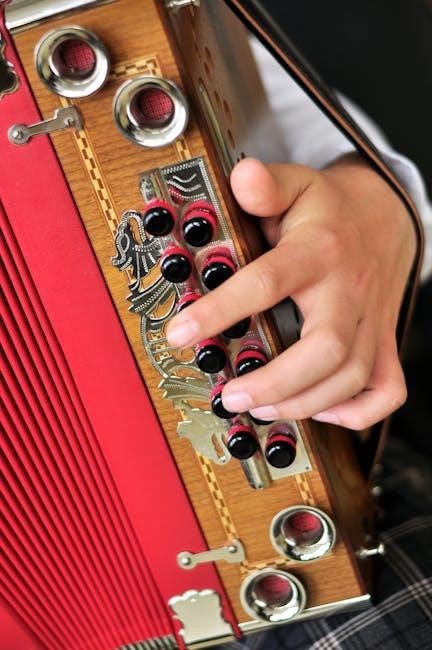
Common Baritone Fingering Challenges
Google facilitates finding baritone fingering chart PDFs, yet challenges remain; swift valve transitions and complex fingerings demand dedicated practice for fluid musicality․
Difficult Note Transitions
Navigating the baritone horn presents unique challenges, particularly when transitioning between notes․ Many players, even with a baritone fingering chart PDF readily available, struggle with smoothness and speed․ Certain intervals, like those requiring significant valve changes (e․g․, 1st to 3rd valve, or combinations involving the thumb valve), can feel awkward initially․
These difficulties often stem from the physical coordination required to lift and depress valves simultaneously while maintaining consistent air support and embouchure․ A Google search for resources will reveal numerous discussions on this topic․ Players frequently report issues with notes requiring a ‘slide’ in finger position, or quick alternations between two fingerings․
Effective practice involves isolating these troublesome transitions, slowing down the tempo, and focusing on precise finger movements․ Utilizing a PDF chart allows for visual reinforcement of the correct fingerings, aiding muscle memory․ Remember, consistent, deliberate practice is key to overcoming these hurdles and achieving a more fluid playing style․
Alternate Fingerings and Their Uses
Beyond the standard fingerings displayed on a baritone fingering chart PDF, many notes offer alternate options․ These aren’t errors, but valuable tools for enhancing musical expression and technical facility․ Alternate fingerings can improve intonation, particularly in challenging registers, or facilitate smoother transitions between notes․
For example, a note might be fingered with 1-2 or 1-3, offering subtle tonal differences․ Google searches reveal musicians often employ these alternatives for legato phrasing or to avoid awkward valve movements․ A comprehensive PDF chart will sometimes indicate these options, though they’re often learned through experience and mentorship․
Understanding when to use alternate fingerings requires careful listening and experimentation․ They can be crucial for executing complex passages or achieving specific articulations․ Mastering these variations expands a player’s technical palette and allows for greater musical control, ultimately enriching their performance․

Improving Finger Dexterity
Consistent practice, guided by a baritone fingering chart PDF, is paramount for developing finger dexterity․ Begin with slow, deliberate exercises focusing on accurate valve combinations․ Google’s resources highlight the importance of repetition for muscle memory․ Scales and arpeggios, utilizing the chart as a visual aid, are excellent starting points․
Gradually increase tempo, maintaining precision․ Incorporate exercises that challenge finger independence – alternating valve combinations and focusing on smooth transitions․ Utilize online resources and apps (alternatives to PDF charts) for interactive drills․
Regularly review the fingering chart to reinforce valve positions․ Remember, dexterity isn’t just about speed; it’s about control and efficiency․ Consistent, focused practice, combined with a solid understanding of the instrument’s mechanics, will yield significant improvements․

Resources for Baritone Fingering Charts (PDFs)
Google provides access to numerous baritone fingering chart PDFs, alongside mobile app alternatives and paid, comprehensive options for enhanced learning experiences․
Free Online Charts
Google’s search engine readily unveils a wealth of freely accessible baritone fingering chart PDFs․ Many websites dedicated to brass instruments, music education, and band resources offer these charts as downloadable documents․ These free resources typically cover the standard range of the baritone horn, illustrating valve combinations for various notes․
However, the quality and completeness can vary significantly․ Some charts may be basic, focusing only on essential notes, while others provide more detailed diagrams including alternate fingerings and extended range options․ Websites like 8notes․com and various university band websites often host printable charts․ It’s crucial to verify the accuracy of free charts, comparing them with other sources or consulting a music instructor․
Google also indexes forum discussions where musicians share their own created charts or links to useful resources․ While convenient, always exercise caution when downloading files from unfamiliar sources to ensure they are safe and reliable․ Remember to utilize Google’s tools to filter search results for recent updates and reputable websites․
Paid, Comprehensive Chart Options
For musicians seeking highly detailed and reliable baritone fingering chart PDFs, several paid options offer significant advantages․ These comprehensive charts, often available through music retailers or specialized websites, typically include a wider range of notes, alternate fingerings, and detailed explanations of complex techniques․
Unlike free resources found via Google, paid charts are usually created and vetted by experienced musicians and educators, ensuring accuracy and clarity․ They may also incorporate features like trill charts, harmonic fingerings, and guidance on intonation․ Some publishers offer bundled packages including fingering charts alongside method books and etudes․

Investing in a premium chart can be particularly beneficial for advanced players or those tackling challenging repertoire․ Utilizing Google to compare different publishers and read user reviews can help identify the best option for individual needs․ These resources often represent a valuable investment in musical development, providing a solid foundation for technical proficiency․
Mobile App Alternatives to PDF Charts
While baritone fingering chart PDFs remain a popular resource, several mobile applications offer interactive and convenient alternatives for musicians on the go․ These apps, discoverable through platforms like Google’s app store, often provide a more dynamic learning experience than static charts․
Many apps feature interactive fingerings, allowing users to visualize valve combinations and hear the corresponding notes․ Some incorporate features like practice timers, tuning tools, and the ability to create custom fingering exercises․ This interactive approach can be particularly helpful for beginners learning the instrument․
Mobile apps eliminate the need to print and carry physical charts, offering accessibility and portability․ Furthermore, app developers frequently update their content, ensuring accuracy and adding new features․ Utilizing Google reviews can help identify highly-rated and reliable apps tailored to baritone players’ needs, enhancing practice sessions․

Advanced Baritone Techniques & Fingering
Google’s search capabilities can locate resources beyond basic baritone fingering chart PDFs, revealing techniques for extended ranges, harmonics, and complex ornamentation․
Mastering these requires dedicated practice and exploration․
Extended Range Fingerings
Google’s vast index provides access to baritone fingering chart PDFs detailing techniques for notes beyond the instrument’s standard range․ These extended range fingerings often involve unconventional valve combinations and subtle embouchure adjustments․
Successfully executing these requires a strong understanding of the instrument’s mechanics and a developed ear․ Many charts will illustrate alternate positions, sometimes utilizing half-valves or complex overlaps, to achieve higher or lower notes․
Players should be aware that extended range notes can be less stable in pitch and require greater breath control․ Experimentation, guided by reliable fingering charts and a teacher’s instruction, is crucial․ Google Docs can be used to create personalized charts based on individual needs and preferences, documenting successful extended range fingerings for future reference․ Remember to prioritize sound quality and intonation when exploring these advanced techniques․
Harmonics and Fingering

Google search results yield numerous baritone fingering chart PDFs that include sections dedicated to producing harmonics․ These ethereal tones are created by partially depressing valves while maintaining a focused embouchure, effectively dividing the air column․
Charts typically illustrate specific fingering combinations for various harmonic series, often building upon fundamental note fingerings․ Achieving clean harmonics requires precise valve control and a consistent airflow․ Players must experiment to find the “sweet spot” for each harmonic, as it varies depending on the instrument and player․
Utilizing Google’s tools, musicians can collaborate on creating custom charts detailing successful harmonic fingerings․ Remember that harmonics are sensitive to embouchure and air support; consistent practice, guided by visual aids from these PDFs, is key to mastering this technique․
Trills and Other Ornamentation
Many baritone fingering chart PDFs available through Google searches offer limited direct guidance on ornamentation like trills, but they provide the foundational fingerings necessary for execution; Trills, rapid alternations between two notes, rely on swift and accurate valve movements․
Players often adapt basic fingerings, utilizing adjacent notes on the horn, and practice transitioning between them smoothly․ Other ornamentation, such as mordents and turns, similarly build upon core fingerings․ Google Docs can be used to create personalized charts detailing specific ornamentation patterns․
Developing speed and precision requires dedicated practice, focusing on minimizing extraneous movement․ Utilizing Google to find instructional videos alongside the PDFs can further enhance understanding․ Mastering ornamentation elevates musical expression, transforming simple melodies into captivating performances․